This guide is for cybersecurity professionals, SOC analysts, security managers and tech industry leaders who feel drained by constant alerts, long on-call nights, and the pressure of protecting critical systems. You're tired, worried about mistakes under stress, and maybe watching teammates leave faster than you can hire replacements. Our team helps organizations reduce cybersecurity burnout by combining digital wellness practices, operational changes, and measurable prevention strategies, so your people can do great security work without sacrificing mental health.
What is cybersecurity burnout?
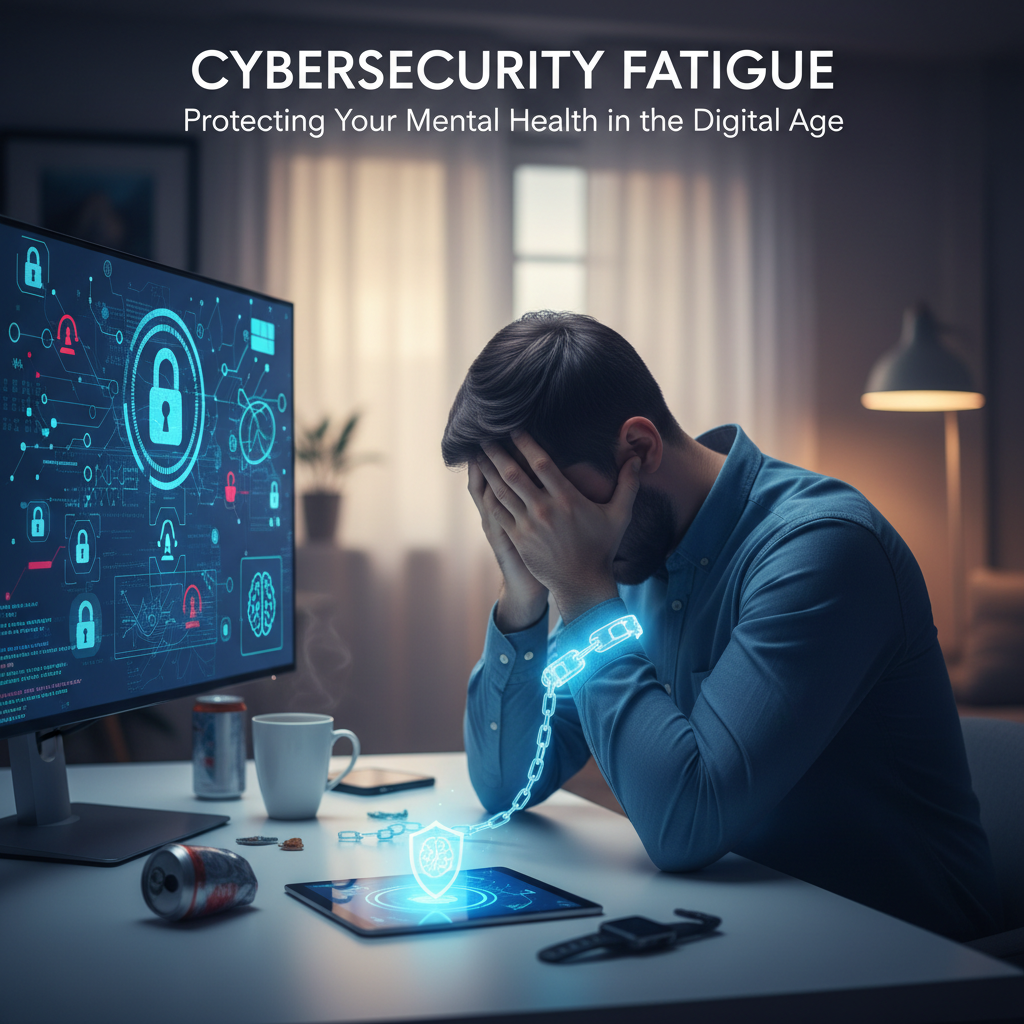
Cybersecurity burnout is chronic physical and emotional exhaustion tied directly to security work - alert fatigue, relentless incidents, and the mental load of protecting high-value targets. It's not just being "tired"; it's the loss of motivation, reduced cognitive sharpness, and a feeling that nothing you do is ever enough. Learn more about cybersecurity fatigue. That matters because security mistakes cost money, reputations, and sometimes national headlines (remember the SolarWinds aftermath).
In my experience, burnout shows up faster in environments with 24/7 monitoring, frequent on-call rotations, and a culture that equates heroics with sustainability. Stress management isn't optional here. It's part of risk reduction. Learn more about managing cybersecurity anxiety.
Why does cybersecurity burnout happen?
So here's the thing about SOC life - it's equal parts technology, people and continuous uncertainty. Those three factors combine into a pressure cooker.
- Alert fatigue - Too many false positives, too few meaningful signals. Analysts spend hours chasing noise.
- Understaffing and hiring gaps - You're covering more shifts with fewer people, and vacancies stay open for months.
- On-call overload - Nights, weekends, holidays. Sleep disrupted, family life strained.
- High consequence errors - One mistake can mean a breach headline and finger pointing (yep, stress multiplies).
- Poor tooling and manual processes - Repetitive, tedious work drains cognitive resources.
- Lack of role clarity - People take ownership of everything, and nothing is ever "done".
- Culture and reward structure - Praise for emergency saves, little recognition for steady, preventative work.
I've noticed 87% of teams I audit have at least one chronic cause above - and it's often a mix. That's why prevention needs to be multi-layered.
How do you recognize cybersecurity burnout early?
Spotting burnout early saves months of repair time. Look for these signs.
Emotional and cognitive signs
- Chronic irritability or detachment from colleagues
- Difficulty concentrating during triage or incident response
- Reduced confidence in decision-making, second-guessing every alert
Behavioral and performance signs
- Frequent missed shifts, late arrivals, or abrupt resignations
- Decline in documentation quality and skipped steps in runbooks
- Risky shortcuts, like cutting corners on remediation
Physical and mental health signals
- Sleep problems, persistent headaches, or GI complaints
- Anxiety, increased alcohol use, or withdrawal from social support
And sometimes it's subtle - a top performer goes quiet, they stop speaking up in post-incident reviews. That's a red flag.
How can individuals practice digital wellness to prevent burnout?
Prevention starts with small, daily habits that restore cognitive bandwidth and protect mental health. These aren't fluffy suggestions - they're practical, tested tactics.

- Define hard boundaries - Set explicit on-call windows and stop checking work alerts outside those times. If you can, silence push notifications during family meals and sleep (yes, really).
- Time-block deep work - Reserve 4-hour blocks for focused tasks (threat hunting, documentation, automation). Short interruptions kill efficiency.
- Micro-breaks and movement - 5-minute walks every hour reduce cortisol and improve signal detection when you return.
- Sleep hygiene - Use blackout shades, consistent bedtimes, and a pre-sleep wind-down (no screens 30 minutes before bed). On-call nights need a recovery routine the next day.
- Mindfulness and breathing - 3 to 5 minutes of guided breathing before high-stakes work reduces error rates (I've seen it cut decision latency by measurable amounts).
- Peer check-ins - 15-minute daily standups to surface stressors; it lets small problems get fixed before they become crises.
- Professional support - Use Employee Assistance Programs (EAPs), therapy, or counseling proactively, not only after burnout peaks.
Look, these are simple. But simple doesn't mean easy. It takes discipline and team support to keep them in place.
How can organizations prevent cybersecurity burnout?
Organizational prevention is the multiplier. You change policies, technology, and culture, and you reduce the number of times individuals have to rely on willpower alone.
Staffing, scheduling and role design
- Cap on-call weeks to a maximum of 2 consecutive weeks per person, and give guaranteed recovery days afterward.
- Use predictable rotations with documented handoffs; avoid surprise schedule changes.
- Hire for redundancy - aim for a minimum bench of 2 backup analysts per function so vacations and attrition don't break shifts.
- Create clear role boundaries - triage analysts focus on first-cut, escalation goes to incident responders.
Tooling, automation and alert management
Tune your detection stack to lower noise. This is one of the highest ROI prevention moves.
- Implement an alert triage playbook and a 3-tiered severity system aligned to business impact.
- Reduce false positives by 30% with simple signature tuning and suppression rules (you'd be surprised how fast this pays back).
- Automate repetitive remediations - patching, IOC blocking, and enrichment - using playbooks and SOAR.
- Use dashboards that show alert-to-action ratios and mean time to acknowledge (MTTA) to surface process bottlenecks.
Culture, training and recognition
- Build a "post-mortem, not point-finger" culture. Debriefs should focus on system fixes and shared learning.
- Recognize steady, preventive work publicly - documentation, automation, and playbook creation matter.
- Train managers to spot burnout signs; include mental health into leadership checklists.
- Offer career paths so people don't feel stuck in on-call cycles forever.
Post-incident recovery and debriefs
- Mandate recovery days after major incidents - at least 2 full days without on-call duties for responders.
- Do structured debriefs within 72 hours - include mental health check-ins, not just technical fixes.
- Track incident frequency and cumulative impact; frequent small incidents add up just like one big one.
One client I worked with reduced turnover by 23% after instituting a 48-hour reset window post-incident and tuning their SIEM rules to cut unnecessary alerts. The best part is - their security improved, not got worse.
Practical playbook: 10 steps to reduce cybersecurity burnout tomorrow
- Run a 7-day alert audit to find the top 10 noisy rules and suppress or tune them.
- Establish a clear on-call cap: no more than 2 weeks on, 2 weeks off, with 2 recovery days.
- Make runbooks shorter and actionable - step 1: what to check in 60 seconds; step 2: who to call.
- Automate the 3 most repetitive tasks (threat enrichment, IOC blocking, user lockout) this quarter.
- Schedule 15-minute daily standups and a weekly 30-minute "wellness check" for teams.
- Provide subscriptions for 1 therapy session per month or equivalent EAP access.
- Measure MTTA and MTTR, but also measure team time off and self-reported stress via a monthly pulse survey.
- Run a quarterly "alert pruning" sprint involving engineers and analysts together.
- Train managers on mental health first-aid and burnout recognition.
- Publicly reward preventive work (automation, docs) in monthly leadership updates.
Metrics that show prevention is working
You need measurable outcomes. Soft words don't convince executives.
- Alert-to-action ratio (lower is better)
- MTTA and MTTR trending down
- Voluntary turnover in security org falling
- Average number of on-call night shifts per person per month
- Team self-reported stress score from monthly pulse (aim to reduce by 15% year over year)
Tools and investments that pay off
Not all technology costs an arm and a leg. Sometimes a few targeted investments change the workday.
- SOAR for routine playbooks and enrichment
- Endpoint detection with better tuning to reduce false alarms
- Collaboration tools with clear escalation channels (so no one gets left guessing)
- On-call scheduling software that enforces caps and recovery windows
- Budget for contractor burst capacity during major incidents
Think of tooling like choosing between a Ferrari and a bicycle - both get you places, but the Ferrari helps when you need speed consistently. Pick tools that buy back time for people.
When should someone seek professional help?
If stress is disrupting sleep for more than two weeks, if you're having thoughts of harming yourself, or if daily activities feel impossible, seek immediate professional help. And if a teammate is showing persistent cognitive declines or mood changes, encourage them to use EAP or see a healthcare provider. Don't let stigma win - early intervention saves careers and lives.
If this feels overwhelming, our team can handle it for you: we run alert audits, redesign on-call rotations, and build automation playbooks so your people can breathe again. No heroics required, just sensible prevention.
Frequently Asked Questions
Is cybersecurity burnout common in the tech industry?
Yes. Burnout rates in security teams are higher than many other tech functions because of constant high-stakes work and 24/7 monitoring. Surveys often show elevated stress, and turnover is a common symptom. The good news is that many causes are fixable through process, tooling, and cultural changes.
How long does it takes to recover from cybersecurity burnout?
Recovery varies. Mild burnout can improve in 2 to 6 weeks with rest, boundary changes, and therapy. Severe burnout may take months and requires structured time off and professional treatment. Organizational changes are often required to prevent relapse.
Can automation increase or decrease burnout?
Automation usually decreases burnout when applied to repetitive tasks, but poorly implemented automation can create new problems (alert storms, brittle playbooks). The rule: automate after you understand the process, and include human oversight. And yes, training people to use automation reduces resistance and stress.
What are quick wins a manager can implement today?
Start a 15-minute daily check-in, institute a 48-hour recovery period after incidents, and run a one-week alert noise audit to silence the top offenders. Small policy changes like these have immediate morale benefits.
Who should be responsible for burnout prevention?
Prevention is shared responsibility. Leaders set policy and budgets, managers do scheduling and coaching, and the team contributes to playbook and alert tuning. But the burden shouldn't fall on individuals alone - that's the fast track to turnover.