This is for cybersecurity professionals - SOC analysts, incident responders, security architects, and CISOs who are drowning in alerts, meetings, and 24/7 on-call pressure. You're exhausted by constant screen time, your mental health is frayed, sleep is poor, and the line between work and life has basically vanished. Our team helps security teams reclaim calm without sacrificing coverage, by combining operational changes, personal habits, and tech controls that cut stress and preserve security with measurable results.
What is a digital detox for cybersecurity professionals?
A digital detox here means a deliberate, structured reduction in non-essential screen exposure and alert noise, tailored to people who literally have to stay wired to protect systems. It's not a weekend retreat with no phone - that's impractical for most SOC roles. Instead, it's a mix of individual routines, team policies, and tooling to reduce constant cognitive load while keeping incident response intact.
Think of it as hygiene for your attention and nervous system. It includes things like notification triage, scheduled deep-focus windows, sleep hygiene, and automation of repetitive tasks so you only see the stuff that truly needs a human.
Why do cybersecurity professionals need a digital detox?
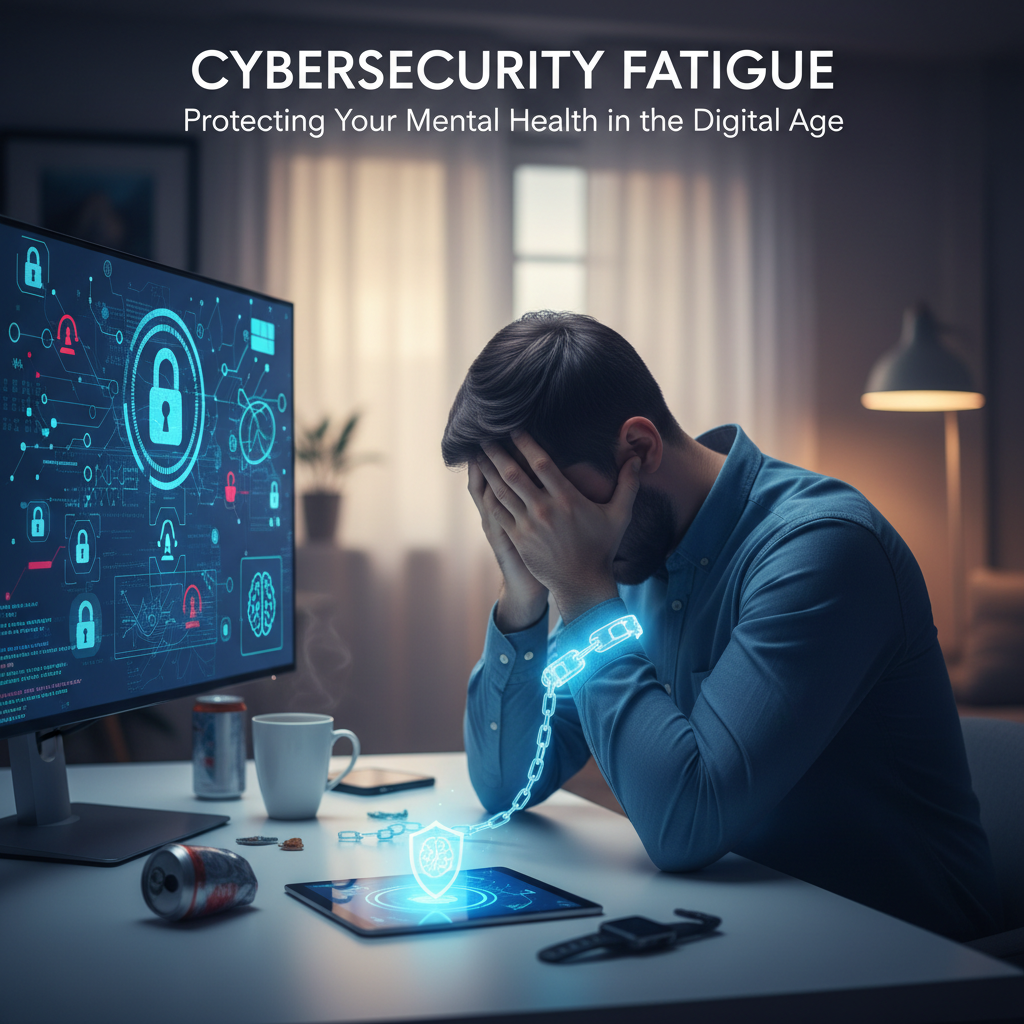
Because persistent hypervigilance and screen overload degrade performance. Fatigue increases false positives, slows decision-making, and causes missed context during investigations. There's also the human cost - more anxiety, worse sleep, strained relationships, and a higher chance of burnout. Learn more about cybersecurity fatigue. In my experience, teams that ignore this end up with both worse security outcomes and higher turnover. It's a lose-lose.
Short-term harms
- Immediate attention fragmentation from alerts and chat pings.
- Reduced accuracy during triage because of tiredness or multitasking.
- Poor sleep from late-night screens, which worsens daytime vigilance.
Long-term risks
- Chronic stress and burnout, leading to people quitting.
- Institutional knowledge loss when experienced staff depart.
- Lowered team resilience during major incidents.
How do you start a digital detox when your team needs 24/7 coverage?
Start small, measure, and change ops - not people. This is practical, not spiritual. Below is a step-by-step plan you can adapt in one week.
Step 1 - Audit real exposure (48 hours)
- Record actual screen time and alert volume for 48 hours. Use built-in OS screen time, RescueTime, or SOC platform logs.
- Note the top 5 sources of noise - Slack channels, low-fidelity alerts, recurring on-call pings, unnecessary meetings.
Step 2 - Triage the noise (days 3-5)
- Create a filter list: alerts that require immediate human action vs alerts that can queue for batch review or automation.
- Configure suppression rules, adjust thresholds, or add enrichment to reduce false positives by at least 30 percent. Why 30%? Because that’s a realistic target that gives breathing room fast.
Step 3 - Implement work blocks and rituals (week 1)
- Introduce 90-minute deep-focus blocks during high-cognition periods (mornings for many people). Use "do not disturb" with emergency bypass for true critical alerts.
- Adopt an end-of-shift checklist: escalate active incidents, document handoff, set scheduled check-ins instead of standing live-watch.
Step 4 - Add systemic supports (month 1)
- Automate repetitive playbook steps so people only see consolidated incident summaries.
- Rotate on-call to avoid chronic overwork and add a secondary backup to take non-urgent items.
- Train leaders to respect off-hours boundaries and to model them (they set culture).
How can you cut screen time without hurting responsiveness?
It's a myth you need to be glued to a screen to be responsive. The trick is smarter monitoring, better escalation, and clearer priorities. Here's how to do that in practice.
Practical controls to reduce screen time
- Notification tiers - only P1 alerts bypass do-not-disturb; P2 go to a consolidated queue for scheduled review.
- On-call automation - use runbooks triggered by symptoms to gather context, then send human-readable summaries.
- Scheduled polling - set dashboards to auto-refresh and send digest emails every 15-30 minutes for non-critical metrics.
- Meeting hygiene - replace status meetings with asynchronous updates unless there's an ongoing incident.
And yes, you have to invest in automation and tuning up front. But the payoff is concrete - less wasted time, clearer focus, fewer false alarms. I've seen teams cut unnecessary screen time by 40 percent while improving mean-time-to-detect.
What personal habits support long-term well-being and mental health?
Personal discipline matters, but it must fit into operational reality. Here are evidence-aligned habits I've seen work.

- Morning ritual - 20 minutes of low-stim start: light, hydration, brief planning. No incident deep-dives right away.
- Micro-breaks - 3-minute breaks every 30 minutes. Walk, look out the window, do a breathing sequence.
- Evening buffer - stop work screens 60 minutes before bedtime. Read paper, listen to music, or do light stretching instead.
- Physical activity - 30 minutes of movement 5 days a week improves sleep and stress resilience.
- Social repair - protect at least one meal a day without devices. It's amazing what a short human conversation does.
From what I've seen, small repeated wins compound. Don't aim for perfect detoxes, aim for consistent recovery windows. This is sustainable. And yes, sleep is not optional - it boosts pattern recognition, which is what threat hunting depends on.
How do you measure success for a cybersecurity-focused digital detox?
Measurements keep leaders comfortable and show ROI. Use operational and human metrics together.
Operational KPIs
- Alert volume reduction - target 30 percent fewer low-value alerts in 90 days.
- Mean time to acknowledge (MTA) for P1s - keep steady or improve.
- False positive rate - reduction indicates better triage/automation.
Human KPIs
- Average screen time per shift - target a 25 percent decrease in active screen hours for non-essential tasks.
- Self-reported well-being - short surveys like WHO-5 monthly, or a custom 5-question pulse.
- Turnover and sick days - track quarterly changes.
Combine metrics in a dashboard so you can see both security performance and staff well-being. Leaders like numbers. Give them numbers they can act on.
How do you get buy-in from leadership and teammates?
Talk dollars and risk, not just feelings. Show how burnout increases human error and churn, which are expensive. Present a pilot: low effort, measurable, and reversible.
- Propose a 90-day pilot on one team with a defined scope and KPIs.
- Estimate savings from reduced turnover or improved productivity. Even conservative numbers help the case.
- Share testimonials from staff (anonymized) and short pulse-survey snapshots.
And lead by example - if leadership turns off notifications for non-critical items, others follow. Culture is contagious.
What tools and tech help with a digital detox?
Tools alone won't fix culture, but they help. Use them strategically.
- Alert management platforms - consolidate sources, apply suppression, add enrichment.
- Automation/orchestration - reduce manual steps in investigations.
- Focus apps - system do-not-disturb schedules, app blockers for personal distractions.
- Shift scheduling - fair rotation tools that avoid chronic nights for the same people.
Pick one tool change at a time. Re-tune rules weekly. Small iterative wins build trust.
Common objections and how to answer them
"We can't reduce alerts - we're understaffed." Okay. Then automate the low-hanging fruit, and protect human attention for high-value cases. It costs less than hiring another full-time person.

"If we go quiet, we'll miss something." Plan for fail-safes: escalation paths, secondary backups, and synthetic monitoring that only wakes people for credible incidents.
"People won't self-manage." Create simple rules, shared norms, and accountability - not policing. Peer pressure does the heavy lifting.
Quick templates you can implement this week
- Notification Tier Template: P1 - phone + SMS + email; P2 - email + app digest every 15 min; P3 - daily digest.
- End-of-shift Checklist: document open tickets, state actions, set owner, schedule follow-up.
- Weekly Digital Sabbath: one 4-hour block each weekend with no work chat access, rotating so coverage remains.
Try one template for 2 weeks and refine. It's iterative, don't try to boil the ocean.
When should you seek outside help?
If alert noise feels insurmountable, turnover is rising, or morale is low despite internal fixes, bring in help. Our team can run an operational audit, tune detection rules, implement automation, and design a bespoke digital detox playbook for your org - and we do it without sacrificing security. We'll start with data, run a rapid pilot, and hand you repeatable templates.
Frequently Asked Questions
How long should a digital detox last for cybersecurity staff?
Start with practical windows: a 48-hour audit, a 7-day habit reset, and a 90-day operational pilot. The goal is sustainable change, not total disconnection.
Won't reducing screen time reduce security coverage?
No, if you pair reduced screen time with smarter alerting, automation, and on-call rotas. The aim is better coverage with less noise, not less vigilance.
What if my company refuses policy changes?
Run a micro-pilot on one team, collect KPIs, and show results. Data persuades faster than arguments. You can also adopt personal boundaries that don't require org-level change as a start.
Which metrics best show improvement in well-being?
Combine objective measures like screen time and sick days with subjective pulse surveys (5 questions is enough). Track turnover too - it's a powerful signal.
Can digital detox help with incident response quality?
Yes. Reduced fatigue and clearer attention improve decision-making, investigation quality, and error rates. It's like sharpening the team's cognitive toolbox.